Monroe Commons
Santa Clara, California
Éléments Landscape Forms :
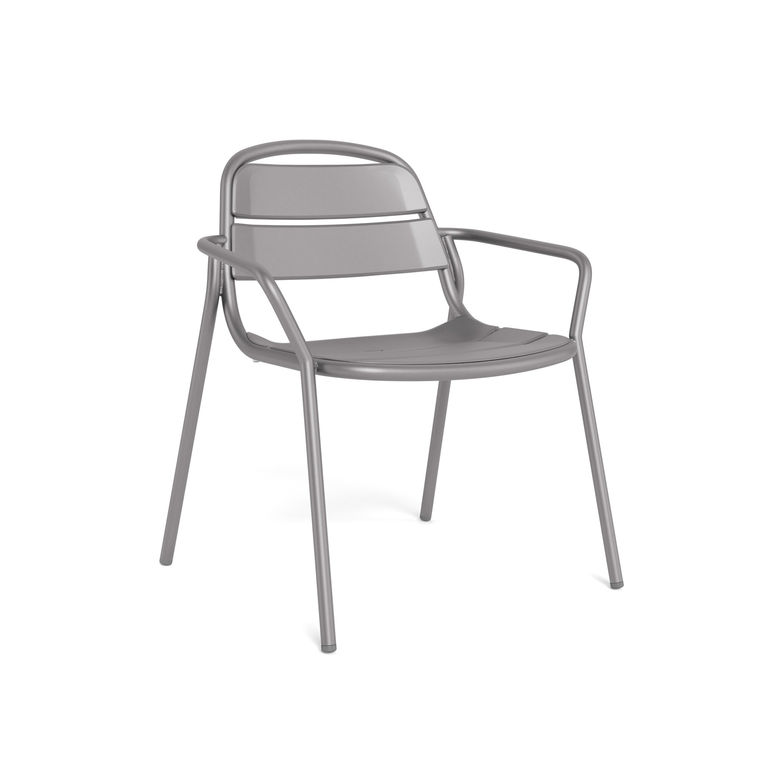
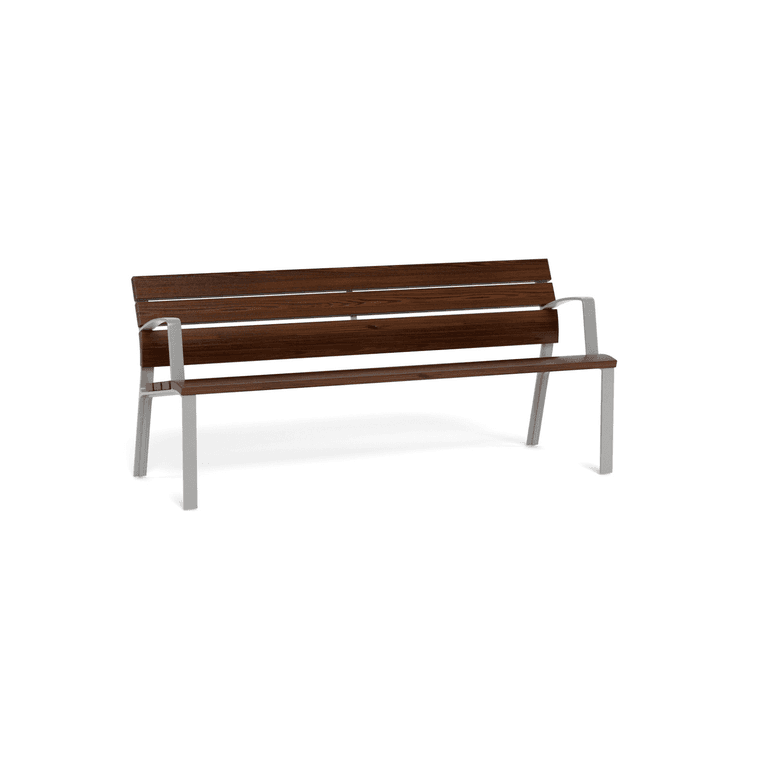
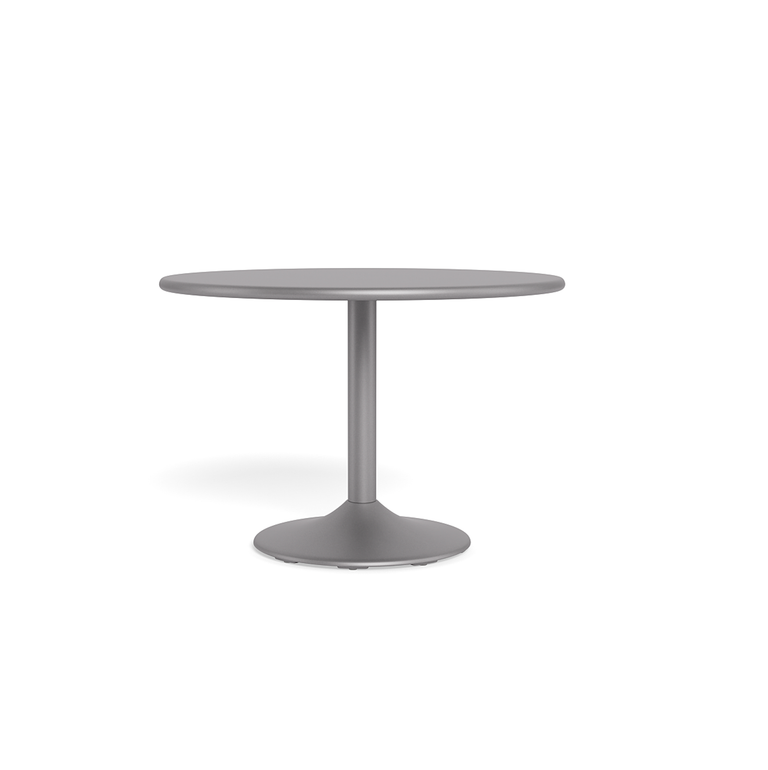
21 Chairs, Catena Tables (Special ADA), NeoLiviano Benches, Ride Bike Racks
Landscape Architect of Record:
PGAdesign
Lead Landscape Architect:
Karen Krolewski, PLA, Fogline Studio
Architect:
HKIT Architects
Photographie :
Drew Kelly; Garry Belinsky
À Monroe Commons à Santa Clara, une conception réfléchie transforme un site complexe en une communauté accueillante axée sur l’accessibilité, l’inclusion et un lien quotidien avec les espaces extérieurs. Le projet de logements abordables de 2,5 acres comprend 65 appartements de type studio, à une, deux et trois chambres pour des ménages gagnant entre 30 et 80 pour cent du revenu médian de la région. Fait notable : 25 pour cent des logements sont réservés à des adultes ayant une déficience intellectuelle ou développementale, faisant de la conception inclusive une priorité tant pour l’architecture que pour l’aménagement paysager.
Designed by HKIT Architects with landscape architecture led by Karen Krolewski (formerly a Principal at PGAdesign and now founder of Fogline Studio), Monroe Commons transforms an underutilized parcel adjacent to a busy parkway into a vibrant residential environment organized around outdoor life. The site includes more than 32 000 square feet of open space programmed for recreation, gathering and daily activity. Residents can enjoy a playground, community garden, outdoor dining areas, a fitness pathway with exercise stations, a pétanque court and a putting green-all framed by landscaped courtyards, shaded seating areas and a sound wall to mitigate street noise.
For Karen Krolewski—an early advocate in accessible landscape design whose work includes the Bay Area’s first all-inclusive playground—the project offered an opportunity to further design principles she has been advancing for more than a decade.
"Designing for special needs is really about designing for everyone," Krolewski explains. "It's about recognizing that people participate in spaces in different ways and making sure the environment supports those choices."
"Designing for special needs is really about designing for everyone. It's about recognizing that people participate in spaces in different ways and making sure the environment supports those choices."
Accessibility shaped many aspects of the site planning. The relatively flat property allowed the design team to establish continuous, barrier-free circulation throughout the landscape. By elevating the site and parking areas-also to accommodate permeable paving and stormwater management-the team created a gracious entryway without ramps and ensured that the building and outdoor amenities share the same accessible grade.
Outdoor programming was equally intentional. Santa Clara's parkland requirements encouraged a wide range of activities, from play areas for different age groups to fitness and garden spaces. Together these amenities create opportunities for residents of varying ages and abilities to spend time outdoors, socialize and stay active within the community.
"The open space becomes part of the program, and it's shaped by the diversity of the community that will live there," says Paul McElwee, AIA, LEED AP, principal at HKIT Architects. "Our goal is to create a variety of outdoor spaces so people can gather together while still supporting different types of activity."
Landscape Forms site furnishings activate those outdoor spaces, ensuring they're comfortable, adaptable and welcoming to all. PGAdesign specified 21 Chairs, NeoLiviano benches, Ride bike racks, and Catena tables, which were specially configured to support ADA compliance and full wheelchair access.
"The open space becomes part of the program, and it's shaped by the diversity of the community that will live there. Our goal is to create a variety of outdoor spaces so people can gather together while still supporting different types of activity."
Krolewski notes that accessibility was a key factor in the table selection. “We wanted seating that adapts to the person using it rather than calling attention to itself as an ‘accessible’ feature,” she says. “The Catena tables allowed us to provide full wheelchair access while keeping the design consistent with the rest of the site.” Similarly, 21 Chairs—named for their wider-than-standard 21” seat pan—offer a design-forward way to welcome a wider range of seating postures.
Durability and flexibility also guided the furnishings strategy. Movable chairs allow residents to shift seating into shade or gather in different configurations as community life evolves, while benches with armrests provide added support for seniors or individuals with mobility challenges.
"We're always looking for furnishings that are durable and comfortable but also adaptable," Krolewski says. "People will naturally make spaces their own over time, so having elements that can move and evolve with the community is important."
At Monroe Commons, thoughtful, inclusive design extends from architecture to landscape to the furnishings that support daily use. Together, they create outdoor spaces that are comfortable, adaptable and accessible, ensuring that every resident has the opportunity to enjoy and participate in the life of the community.