North Housing - Linnet Corner & Estuary
Alameda, CA
Landscape Architect of Record:
PGAdesign
Lead Landscape Architect:
Karen Krolewski, Fogline Studio
Éléments Landscape Forms :
L I N E Panels, Catena Tables, 21 Chairs, Link Benches, Wellspring Benches, Equinox Umbrellas, Ride Bike Racks
Architect:
HKIT Architects
Propriétaire :
Housing Authority of the City of Alameda (AHA), Island City Development
Contractor:
Green Growth Industries, JH Fitzmaurice GC
Set on twelve acres of former U.S. Naval Air Station land, Alameda’s North Housing represents a transformative model for inclusive, community-centered living. Developed by the Housing Authority of the City of Alameda and Island City Development, the project brings together senior housing and permanent supportive housing for formerly unhoused residents, uniting two often underserved groups through thoughtful landscape design.
Envisioned by Principal Karen Krolewski while at PGAdesign, the outdoor environments were conceived to foster dignity, comfort and connection. Courtyards, garden spaces and social zones create opportunities for gathering and daily life, reinforcing a sense of home across the development. “We try to humanize the landscape and make it feel like a home as much as it can,” says Karen Krolewski, PLA, Principal Landscape Architect now at Fogline Studio. “We bring in different spaces where people can gather and build community.”
Nestled between the two L-shaped buildings, generous outdoor seating, a BBQ area, dog run, community garden and other shared amenities create a network of places to connect with the landscape-whether for quiet moments of reflection or more social, communal activity. Key to the experience of the site was creating a sense of security and enclosure while still ensuring the shared spaces felt connected to their surroundings.
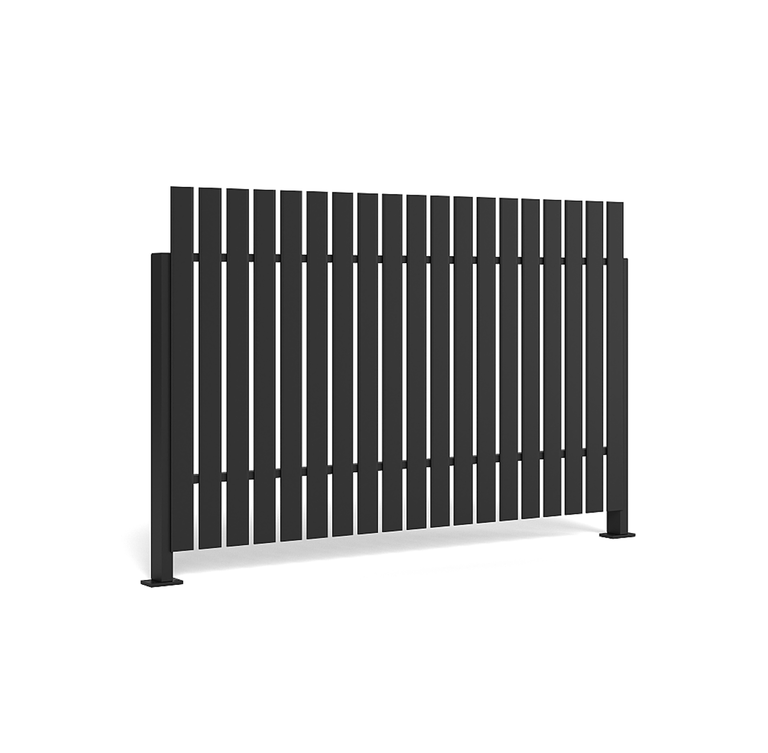
L I N E landscape panels play a central role in shaping that right balance between openness and enclosure. Used throughout the site to frame courtyards, guide circulation and define key thresholds, the panels establish a clear sense of space definition while maintaining a visual connection to the landscape beyond. Specified with one-inch horizontal slats in an understated Obsidian powdercoat, they create a consistent, architectural rhythm that feels intentional and refined without calling undue attention to itself.
Rather than reading as a barrier, L I N E helps organize North Housing's shared spaces into a series of welcoming and intuitive outdoor rooms. Edges are defined, entries are clear and communal areas feel protected but never closed off. "It's robust, but it has a transparency to it," says Krolewski. "L I N E allows the space to still feel like it's breathing, whereas a solid fence wouldn't have worked."
Light filters through the slats. Views remain open. Air moves freely. Together, these qualities soften the experience of enclosure, creating spaces where residents can feel both at ease and connected-to one another and to the landscape around them.
"We wanted something that felt modern and well-designed, but not institutional. L I N E really met those goals."
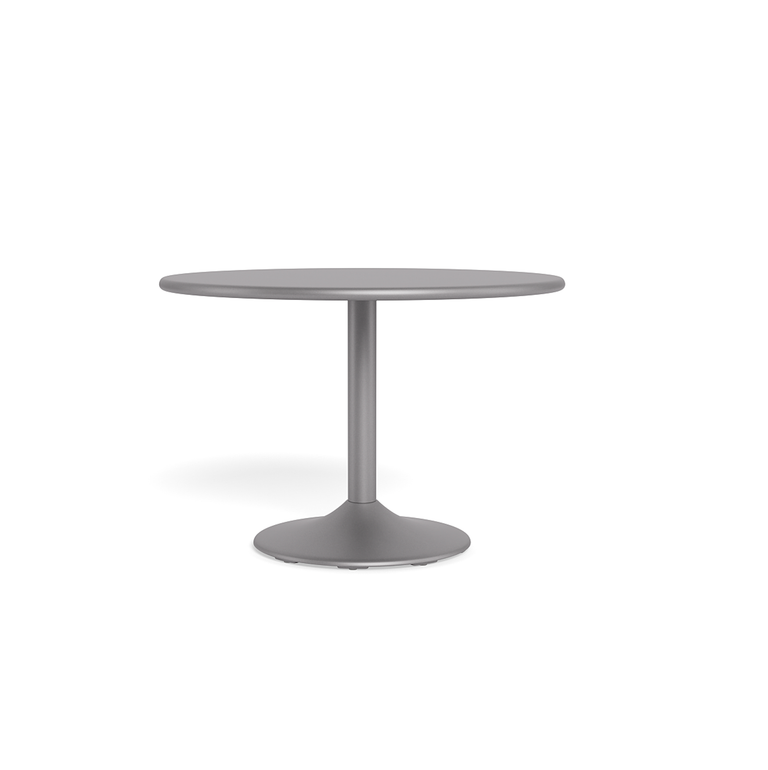
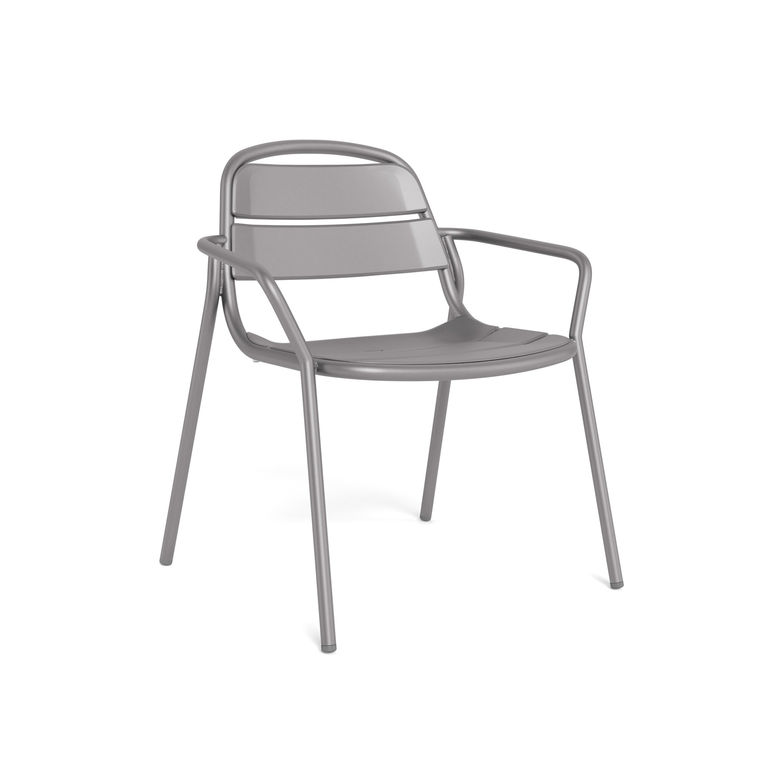
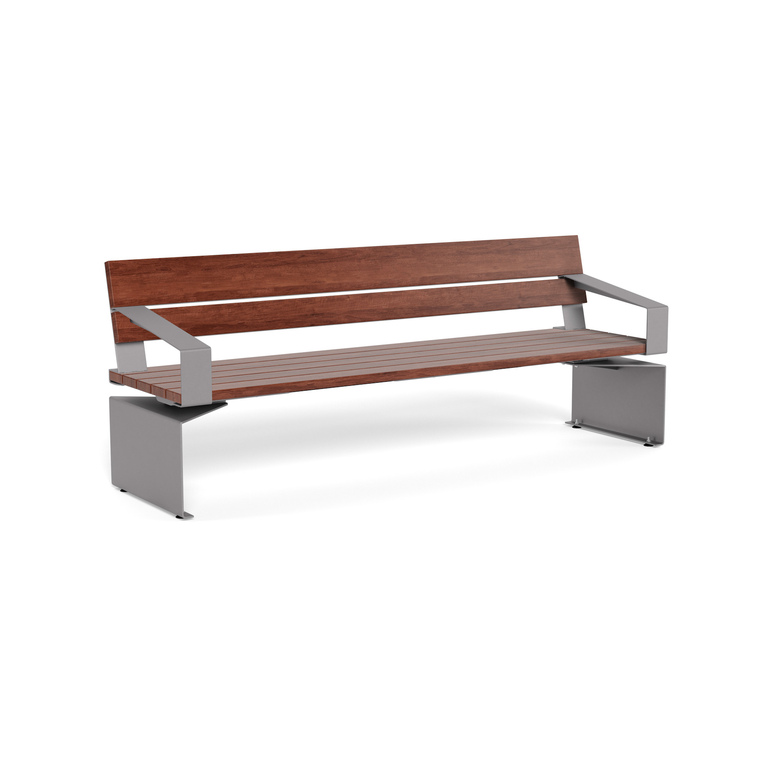
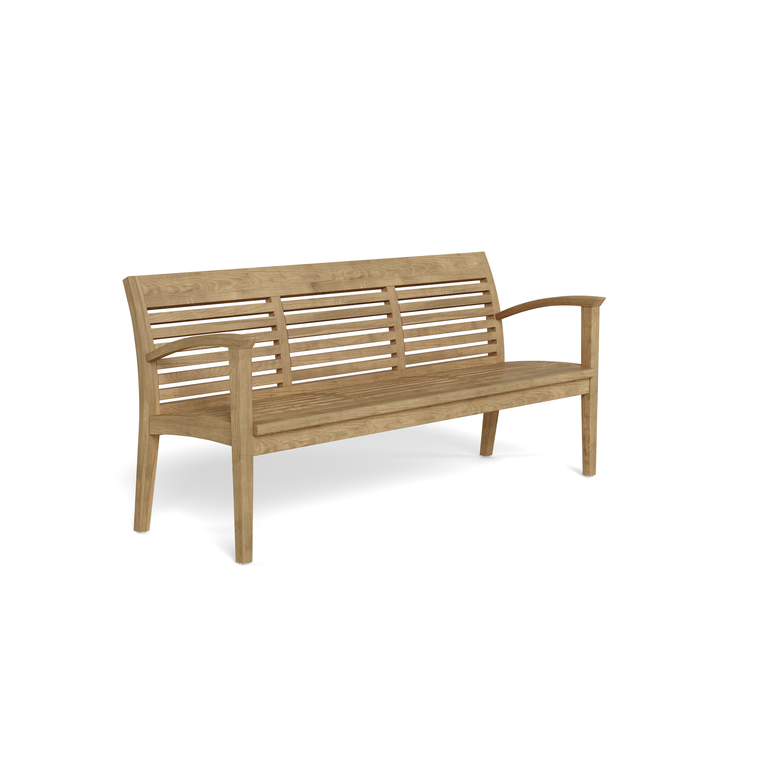
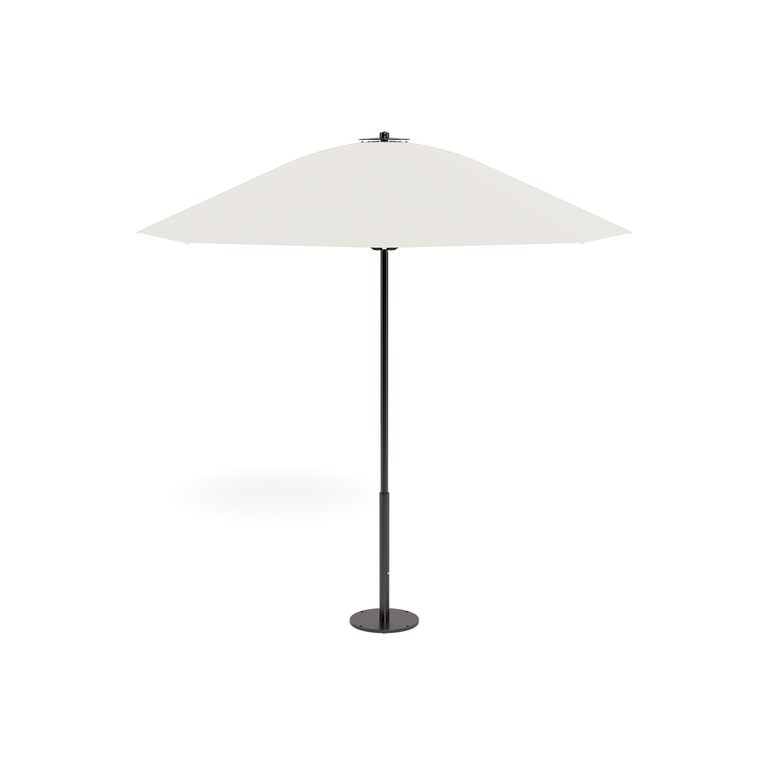
The site furnishings throughout the site build on this foundation. ADA-compliant Catena tables with 21 Chairs, Link and Wellspring benches, Ride bike racks and Equinox umbrellas all provide layers of comfort and usability, encouraging residents to gather, rest and engage. A shared Obsidian powdercoat across the metal elements creates quiet visual continuity, tying the furnishings back to the L I N E panels and reinforcing a cohesive experience throughout.
These elements come together to shape an environment that at once feels both protected and interconnected, where spaces are clearly defined yet never limiting. The result is a landscape that inspires confidence, invites people outside and helps build a sense of belonging in everyday life.
Produits connexes

Articles
Chaque projet commence avec une question : quelle sorte d’expérience voulons-nous que les gens aient? Parfois la réponse est simple, ciblée et sereine; à d’autres moments, c’est une destination dynamique qui invite les gens à se rassembler et connecter de différentes façons. Cove et Scenic représentent deux approches distinctes parmi notre gamme plus étendue de structures, chacune conçue pour répondre aux besoins de projet uniques tout en partageant le même objectif à créer des expériences extérieures importantes.
Solutions de structures pour chaque vision : comparer Cove et Scenic
Notre engagement envers le développement durable fait depuis longtemps partie intégrante de notre façon de concevoir, de fabriquer et de penser, mais c'est aussi un aspect que nous nous efforçons constamment de faire progresser. La dernière avancée dont nous sommes particulièrement fiers est la suivante : d'ici le 2030, notre campus de Kalamazoo fonctionnera à 100 % d'électricité propre.
Un grand pas en avant : notre engagement pour une électricité propre à 100 %
Le bois a toujours été un matériau intemporel et apprécié dans l’aménagement des espaces extérieurs. Recherché pour sa chaleur, sa beauté naturelle et la sensation de douceur et de confort qu’il procure, il est souvent un élément indispensable des lieux bien conçus où les gens aiment se rassembler. Porté à un tout autre niveau, le bois extérieur modifié de façon moderne offre aux concepteurs une occasion unique de préserver les qualités esthétiques et tactiles des bois feuillus naturels, tout en améliorant le rendement, la durabilité et le développement durable.
Innovation matérielle : la durabilité et la performance du bois modifié moderne
Respectful Lighting initiative promotes a design approach that prioritizes context, ecological sensitivity, and intentional use of light to enhance nighttime environments without disrupting natural darkness. By using warm color temperatures, precise optics, and adaptive controls, the philosophy seeks to balance visibility, comfort, and environmental preservation. Scientific research shows that cooler, blue-rich lighting can negatively impact human circadian rhythms and wildlife behavior, while warmer tones help reduce these effects and support healthier ecosystems.
Respectful Lighting: Designing with the Night in Mind